Learning Web Development: Essential Steps and Resources
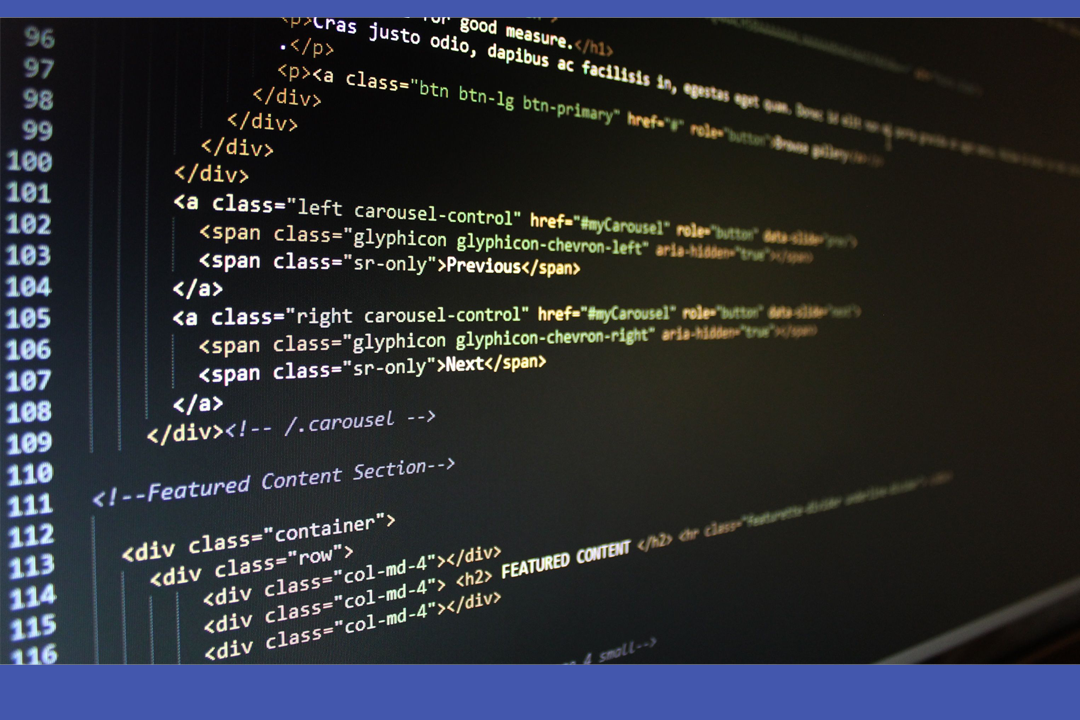
Creating a website, developing an application, designing a digital experience... all of these projects have one thing in common: they are the result of a web developer’s work. But how do you become a web developer? Where should you start when learning this profession? The good news is that there is no single path to get there, and the resources available to beginners have never been more accessible, no matter your starting point.
WEB DEVELOPMENT: MUCH MORE THAN WRITING CODE
A web developer does not spend all their time in front of a black screen writing lines of code. Yes, knowing how to code remains an essential skill to acquire, but it is not always the core of this professional’s work. A developer analyzes project needs, designs the architecture of a website or application, and runs tests to make sure everything works properly.
There are also several types of web developers: those who work on the front end, those who work on the back end, and full-stack developers, who master both. Each of these specialties requires different skills.
In addition to technical knowledge, a good developer must be curious in order to stay up to date in a constantly evolving field and be able to solve complex problems. Clear communication skills are just as important, since developers often collaborate with designers, project managers, and clients.
Demand for these professionals continues to grow. According to the U.S. Bureau of Labor Statistics, employment in web design and development is expected to increase by 7% between 2024 and 2034 in the United States alone. This makes it a very promising career path with many business opportunities.
FUNDAMENTAL CONCEPTS TO MASTER FIRST
The Three Basic Languages
If there are only three languages a beginner web developer should know, they are these:
- HTML, which defines the individual structure of each page.
- CSS, which determines the style of each element across the entire website or application.
- JavaScript, which adds interactivity and dynamism to digital content.
Together, these three languages make it possible to build functional web interfaces and are therefore the essential starting point for learning web development.
ESSENTIAL INTERNET VOCABULARY
Learning web development also means mastering the vocabulary of the digital world. Here are a few terms you will need to learn early in your training.
HTTP, or Hypertext Transfer Protocol, is the protocol that allows a browser and a server to exchange information on the Internet. HTTPS adds a layer of encryption, making this data exchange more secure.
DNS, or Domain Name System, is often described as the Internet’s directory. It converts domain names, meaning the address typed to access a website, into an IP address, a unique numerical value associated with each server. This process is what allows a website to appear in a user’s browser.
Hosting is used to store a website’s content on a server. Without hosting, a website cannot be accessed online. When you create a site with WebSelf, it is automatically hosted with us.
Web Security
The security of a website, mobile application, or any other digital platform is a complex but especially important topic, because a vulnerability can seriously harm a company’s credibility. OWASP, a foundation dedicated to improving the security of online software, is a valuable resource to explore if you want to learn more about this subject.
Secure websites are easy to recognize because their address starts with HTTPS rather than HTTP, which indicates that data is encrypted. This is a valuable sign that reassures visitors, especially when the platform handles sensitive information such as login credentials or banking details.
HOW TO LEARN EFFECTIVELY
Three Free Resources to Get Started
The Internet is a gold mine for learning how to build digital products. To get started, we recommend these three platforms. Their free resources will help you acquire essential knowledge to become a web developer.
- MDN offers structured training to learn the fundamentals of web development. Exercises are also provided to help you apply the concepts covered in each module.
- W3Schools is a reference platform that includes tutorials on a wide range of topics related to the digital environment. It also allows you to test code directly online, making it easier to learn through experimentation.
- The Odin Project focuses on learning by doing. You will find tutorials in the form of articles and videos, practical exercises to apply what you have just learned, and an active Discord community where you can get help along the way.
Structured Training
Several schools offer programs dedicated to web development. Their names vary from one institution to another, but they are often found under titles such as:
- Web Design and Development.
- Web Application Development.
- Web Programming.
These programs have the advantage of offering a structured learning environment, access to experienced instructors, and often opportunities to work on real projects during the training.
For those who prefer a faster path, web development bootcamps are an intensive option. These short programs, usually lasting from a few weeks to a few months, are designed to help beginners reach an operational level quickly. They are available in person in many cities, as well as fully online.
FINAL THOUGHTS
Learning web development is first and foremost a journey, and that journey will look different for everyone. Some people will prefer the structure of an academic program, others will move at their own pace using online resources, and others will combine both approaches. What matters most is getting started.
And to put what you are learning into practice, what could be better than a concrete tool? WebSelf allows you to create a complete website without requiring technical knowledge, while still giving you the freedom to explore and experiment as you wish.
Answers to the Most Common Questions About Learning Web Development
- How long does it take to learn web development? It depends on how much time you dedicate to it and what your goals are. The basics of HTML, CSS, and JavaScript can be learned in a few months with regular practice. Reaching a professional level generally takes several years.
- Do you need to go to university to become a web developer? No. Many developers are self-taught or have completed intensive bootcamps. What often matters most to employers is your portfolio, meaning the concrete projects you have completed.
- Which language should you start with? HTML is widely recognized as the ideal starting point, followed by CSS and then JavaScript. These three languages form the foundation on which everything else is built.
- Is web development right for me? If you enjoy solving problems, are curious, and are not afraid to learn by making mistakes, web development is an accessible path, regardless of your previous knowledge.

Roxane has always written and dreamed of making a living from her pen. Now a web editor, proofreader and author, we can say that it's mission accomplished!