How to create a professional website for your osteopathic clinic
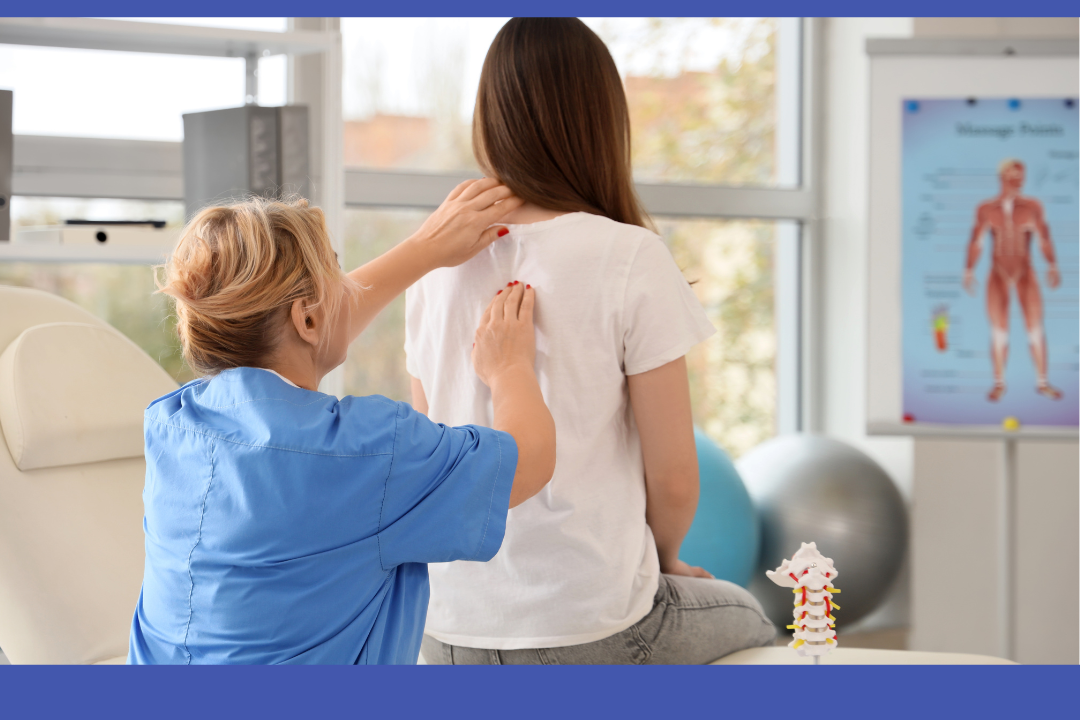
You have chosen osteopathy to help your patients regain their mobility and well-being, not to become a web expert. However, in a world where the majority of people search for "osteopath near me" on Google before making an appointment, not having a website means missing out on many potential patients.
The good news? Creating a professional and efficient website is not a task that requires advanced technical knowledge. In this article, we are going to guide you through the essential steps to building a website that attracts visitors, reassures them, and converts them into loyal clients.
WHY A WEBSITE IS ESSENTIAL FOR OSTEOPATHS
Some osteopaths are still hesitant to invest time in creating a website for fear that it will be too complex or time-consuming. However, it is an essential tool to grow your practice and to become known in your area. A website allows you to:
Be found at the right time: Your patients usually come to your clinic for the first time when they have persistent pain or aches. That's when they type in words like "osteopath near me" or "osteopath [name of your area]" into search engines. If you don't have an online presence, these people will go to another medical professional to for their needs.
Reassure your patients before the first appointment: a professional website demonstrates your expertise, clarifies what your services are and answers the most frequently asked questions of your potential customers. By consulting it, visitors will quickly find the answers to their questions and will be able to judge whether you are the right professional to work with. This could result in taking fewer calls to respond to slight hesitations. Patients will arrive at the appointment already reassured and convinced.
Stand out from the local competition: Many osteopaths, especially those working independently, only have a Google listing. This a good starting point for local searches and shouldn't be overlooked. However, a website offers a big advantage. You can share more information, talk about your approach, and create a real connection with your future patients when you have a website.
FOUNDATIONS: WHAT YOUR SITE SHOULD DEFINITELY CONTAIN
Whether you decide to create a website with several pages or a one-pager, here are the essential components that should be there.
1. A look that inspires confidence
As part of your work, you have a special relationship with your patients, so it is essential that you build a bond of trust with them from the beginning. This allows you to offer them the best possible service. To build this relationship even before the first appointment, use your website. Present your therapeutic approach in two or three simple sentences and mention your education and training. Also include a professional photo of you and your team.
Avoid stock photos. This gives the impression of an impersonal site and could damage your credibility. Your future patients want to see who you really are.
2. A clear explanation of your services
In this section of your website, avoid complex medical jargon. Your future patients want to understand what they are reading first and foremost! Their knowledge of your field is often limited, so use simple words when talking about and appointment.
Also take the time to explain for whom or for which situations it makes sense to consult you. Indicate the ailments that osteopathy can treat. It's also the perfect place to indicate your specialty. For example, if you work primarily with a sports clientele, highlight this in the title of your "Services" page or in your main description. This will attract athletes who are looking for precisely this type of expertise.
The important thing here is to remember that you are there to fill a need. Your message must put the needs of your future patients first.
Also mention the average duration of an appointment and the stages of a typical treatment. These details reassure new patients and give them a clear idea of what to expect. Also consider adding a call-to-action button near the description of your services, such as "Book an appointment." This encourages visitors to take action quickly.
3. Easy to access practical information
People who visit your site will often be in "shopping" mode. They compare different professionals in order to find the one that best suits their situation and needs. This means that they quickly scan through your content, which is why it's essential that certain information is easy to spot.
A contact page is a great idea to have everything in one place. You should include your phone number, email, a button to your appointment booking platform, your hours of operation and your physical address. By building your site with WebSelf, you can also add an interactive map to your pages, which is a great way to optimize your natural referencing (SEO).
If you're comfortable, it's also a good idea to display your rates on your services page. This can become a real deal-breaker for visitors if they don't see any, as this transparency eliminates surprises and allows them to plan their budget. Many people hesitate to call precisely because they don't know how much it will cost.
4. Frequently Asked Questions (FAQs)
What questions do your patients most often ask? List them in a frequently asked question page to save time while offering a fast and accessible service to your visitors. A good FAQ page reduces repetitive calls and improves your SEO, since it responds directly to the queries that people type into Google.
Here are some examples of questions to include in your FAQ:
How many appointments are needed?
Are osteopathic treatments covered by insurance?
How does an osteopathic treatment work?
What is your cancellation policy?
What is the difference between an osteopath, a physiotherapist and a chiropractor?
Is osteopathy suitable for children and the elderly?
A little extra: offer useful content.
Do you really want to stand out from your competitors? Start a blog. Decide on a writing schedule that works for you and stick with it. Whether you write one article per week or one per month, the important thing is to offer content that will be really interesting to your clients and prospective clients. Take the opportunity to give practical advice, talk about the reality of your profession, or answer in detail the questions you are most frequently asked about in regards to osteopathy.
With a blog, you demonstrate your expertise and reassure the undecided individuals. You also improve your natural referencing. This increases your chances of appearing first in search engines. What will the result be? Better visibility for your business, more traffic to your site and, possibly, an increase in the number of patients!
A well-designed website is much more than just a digital business card: it's a growth tool that works for you 24 hours a day. It attracts new patients, it boosts your credibility, and it allows you to stand out from the local competition. And the good news is that you don't have to be an expert to get there. With WebSelf, you can create a professional website in a few hours, without technical knowledge. Start with one of our many themes and customize it with your company's colors.
Need some inspiration? Check out the website of osteopath Aurélien Guibert, designed with WebSelf to see what is possible. Are you ready to launch yours?
In short, what you should include in your website
An introduction of yourself and your company to show a human face and inspire confidence.
A clear explanation of your services so that visitors can determine if you are a good fit for their needs.
contact information: phone number, email, physical address, appointment booking platform.
A list of frequently asked questions.
A blog to share your expertise and improve your natural referencing (SEO).

Roxane has always written and dreamed of making a living from her pen. Now a web editor, proofreader and author, we can say that it's mission accomplished!