10 Web Design Trends to Know in 2026
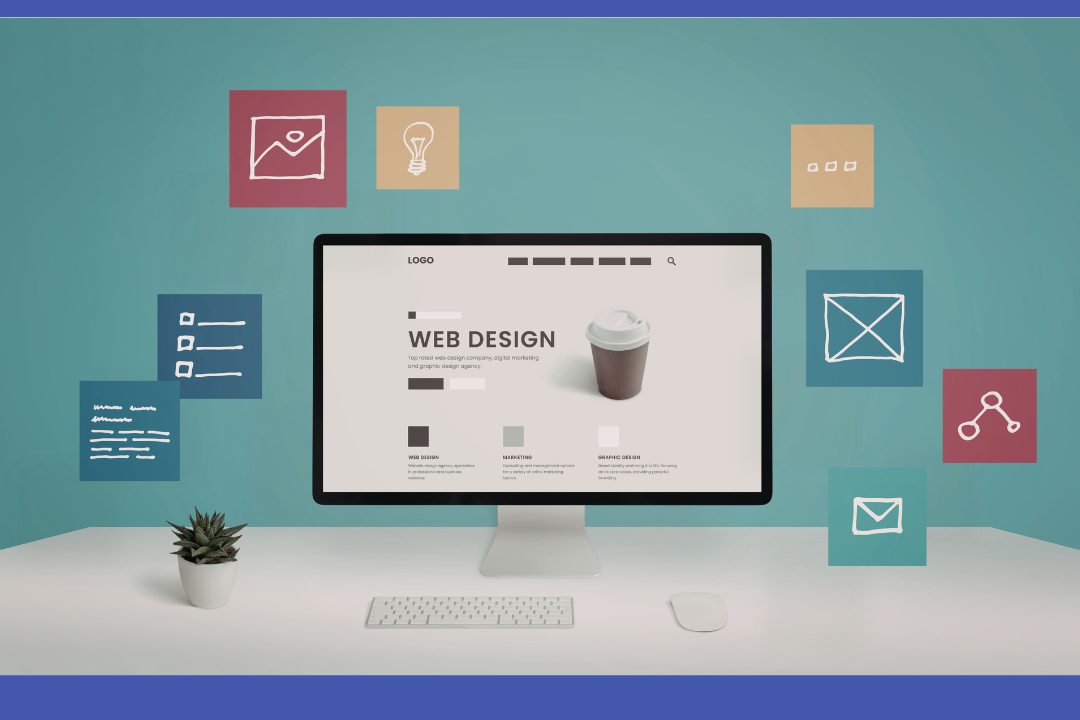
Web design trends are constantly evolving, and in 2026 they reflect a collective desire for authentic connection and personalized experiences. Websites are transforming to better meet user expectations and deliver more meaningful interactions. Here are 10 trends that will redefine your online presence this year.
WEB DESIGN: 5 VISUAL TRENDS TO WATCH IN 2026
1. Human-Centered Design
In 2026, people are craving genuine human connection—and web design is responding. The rigid, ultra-strict minimalism of previous years is giving way to more expressive and natural layouts. Designers are experimenting with asymmetrical grids to create fluid, organic compositions.
Expect to see organic shapes, handwritten typography, soft gradients, layered elements, and subtle motion—all working together to build warm, inviting digital environments. These design choices foster authentic connections and help brands feel more approachable.
At its core, this trend is about building trust by making your brand feel more human and accessible.
2. Vibrant Colors and Bold Gradients
As brands continue to move away from restrained minimalism, saturated colors are taking center stage in 2026. High contrast combinations and bold gradients create dynamic, energetic digital spaces that instantly capture attention.
That said, not every brand should fully embrace this aesthetic. Before choosing a bold color palette, make sure it aligns with your brand identity and the image you want to project.
3. Glassmorphism
Glassmorphism uses transparency and background blur effects to enhance readability while creating depth between elements on a page. For example, a text box can stand out without completely hiding the background behind it.
This approach works particularly well when the page background is visually complex—such as a detailed image or gradient—as long as there is sufficient contrast between text and design elements.
Major brands like Apple and Microsoft have embraced glassmorphism in recent years, giving their interfaces a sleek, modern feel. On your own website, it can be used for pop-ups, service highlights, or navigation menus.
4. Creative Blending of Photography and Graphic Elements
This trend transforms photos into storytelling tools by blending them with graphic elements. Layering techniques allow designers to overlay branded icons, text, or illustrations onto images, adding context without overwhelming the visual.
No matter your industry, this style can enhance both your website and social media presence. For instance, a restaurant might feature a pasta dish photo enhanced with subtle garlic and basil icons—communicating flavor visually without needing lengthy descriptions.
5. Showcasing the Creative Process
In 2026, brands proudly highlight their creative journey—not just the final product. Companies are moving away from overly polished aesthetics in favor of collage-inspired visuals and scrapbook-style layouts.
Hand-drawn sketches, handwritten notes, and behind-the-scenes concepts create a more intimate and authentic brand presence. This approach strengthens emotional connection and reinforces transparency.
To integrate this trend, consider adding a section that showcases early drafts of your best-selling products or mood boards and concept sketches that shaped your brand.
FUNCTIONALITY & EXPERIENCE: 5 WEBSITE TRENDS TO INTEGRATE IN 2026
6. Artificial Intelligence as a Co-Designer
Artificial intelligence continues to evolve at remarkable speed, and in 2026 it is increasingly viewed as a creative collaborator. Developers use AI tools to suggest layout improvements, enhance accessibility, and even generate personalized chat experiences.
By working alongside AI in real time, teams can automate repetitive tasks and accelerate production—freeing up time to focus on strategic and creative decisions that truly set a website apart.
7. Hyper-Personalized User Journeys
A website can no longer be a static experience. In 2026, it must adapt dynamically to each visitor’s context and behavior. This requires analyzing user data such as browsing history, preferences, and stage in the buying journey.
Personalization can take many forms: product recommendations based on previous interactions, landing pages tailored to traffic sources, or navigation menus that adjust based on demonstrated interests.
The outcome? Higher engagement, increased conversions, and stronger customer loyalty driven by experiences that feel individually tailored.
8. Micro-Interactions and Motion Design
Micro-interactions and subtle animations are now essential components of user experience. They make navigation smoother and more intuitive—especially on complex interfaces—by guiding users toward their next action.
You can incorporate these techniques through hover effects on buttons or text, seamless transitions between sections, and thoughtful animations applied to small design elements.
9. Accessibility as a Design Foundation
Accessibility used to be an afterthought. In 2026, it is foundational. Inclusive design is no longer optional, especially as regulations such as the European Accessibility Act require companies to provide accessible digital experiences.
When designing your website, consider accessibility from the start. Use color combinations with sufficient contrast, include alt text for images, and structure navigation logically and clearly. Doing so improves usability for everyone, expands your audience, and builds trust in your brand.
10. Eco-Conscious Web Design
Although websites are digital products, they still have an environmental footprint. In 2026, businesses are expected to make environmentally responsible choices regarding their online presence.
Page loading speed and AI usage both impact energy consumption. Green hosting providers now offer more sustainable alternatives for website infrastructure.
You can also reduce your site’s carbon footprint through design decisions: writing clean code, optimizing image sizes, and limiting unnecessary plugins or extensions.
Adopting these trends is about more than following fashion—it’s about creating a website that truly resonates with visitors and delivers measurable results. You don’t need to implement them all. Choose the ones that align with your brand and goals, then test and refine over time.
Your website is a living platform. Let it evolve as your audience and business grow.

Roxane has always written and dreamed of making a living from her pen. Now a web editor, proofreader and author, we can say that it's mission accomplished!